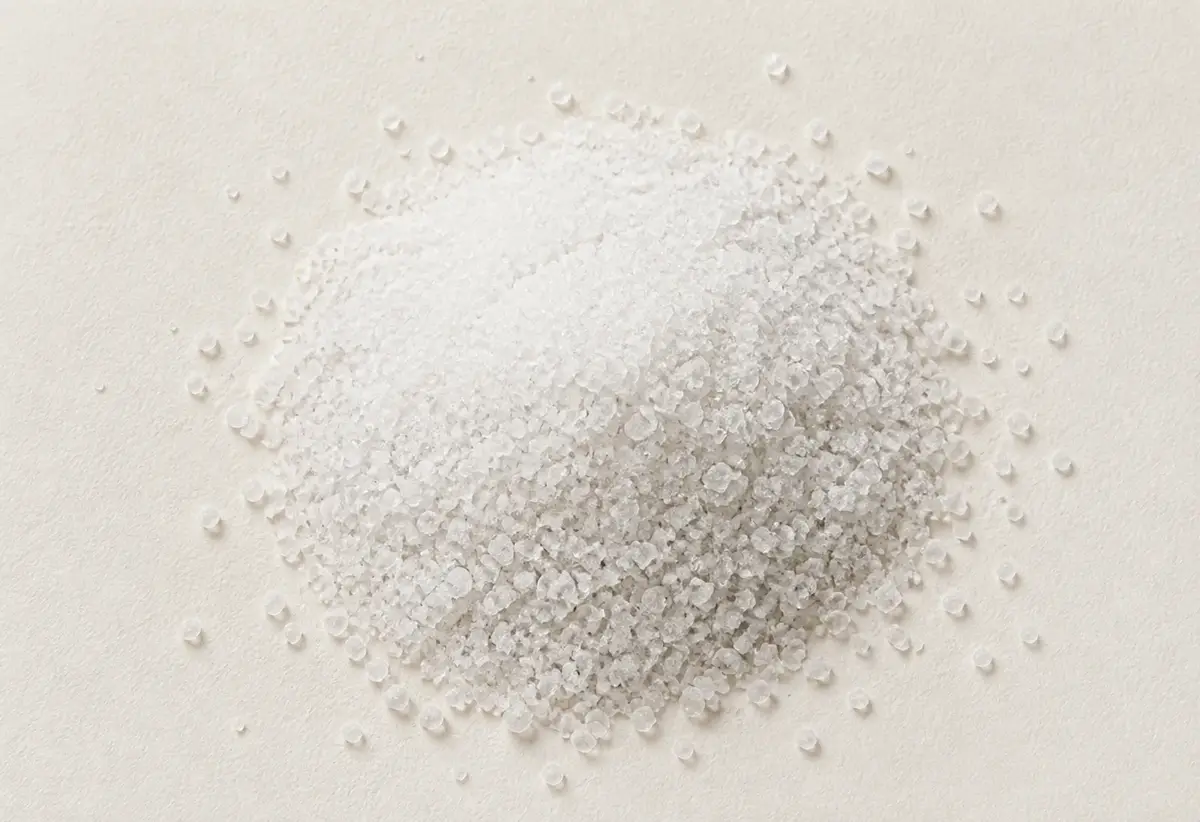
Fine
Sal finaFor the food you stir, knead and simmer. Small grains distribute readily through dough, sauces and everyday cooking.
Discover fine sea salt ↗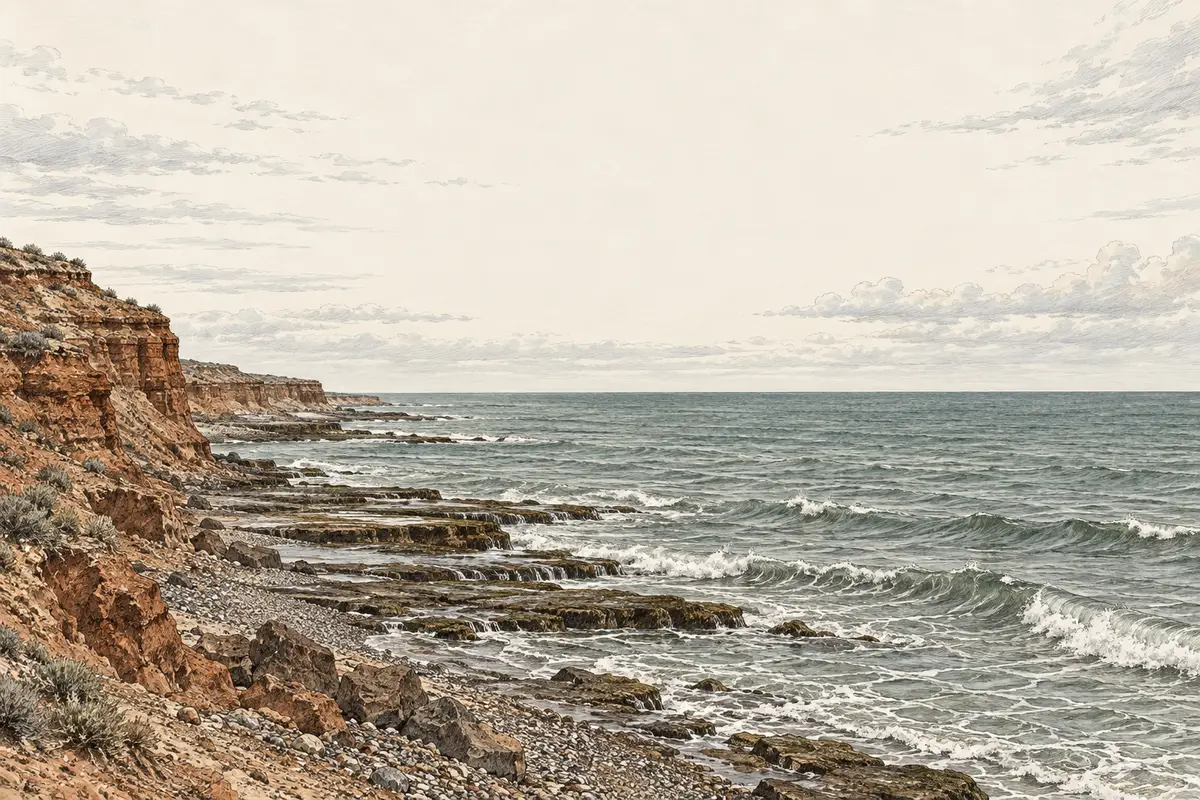
Patagonian sea salt · Chubut, Argentina
From the Atlantic coast of Patagonia to the everyday pleasure of a well-seasoned meal.
Argentine Patagonia
Where the steppe meets the sea
A place. A crystal. A way to cook.
01 / The place
Here, Patagonia opens onto the sea. Low clay cliffs, shingle beaches and flat tidal rock platforms trace the coast of Chubut, Argentina.
Patagonian sea salt begins with seawater from this coast. Evaporation leaves salt crystals behind; their size and shape help decide what happens next in the kitchen.
Explore the origin of Patagonian sea salt ↗Country
ArgentinaCoast
ChubutWater
Atlantic Ocean02 / The crystal
The same place, different textures. Choose by the way you cook—and the moment you reach for a pinch.
For the food you stir, knead and simmer. Small grains distribute readily through dough, sauces and everyday cooking.
Discover fine sea salt ↗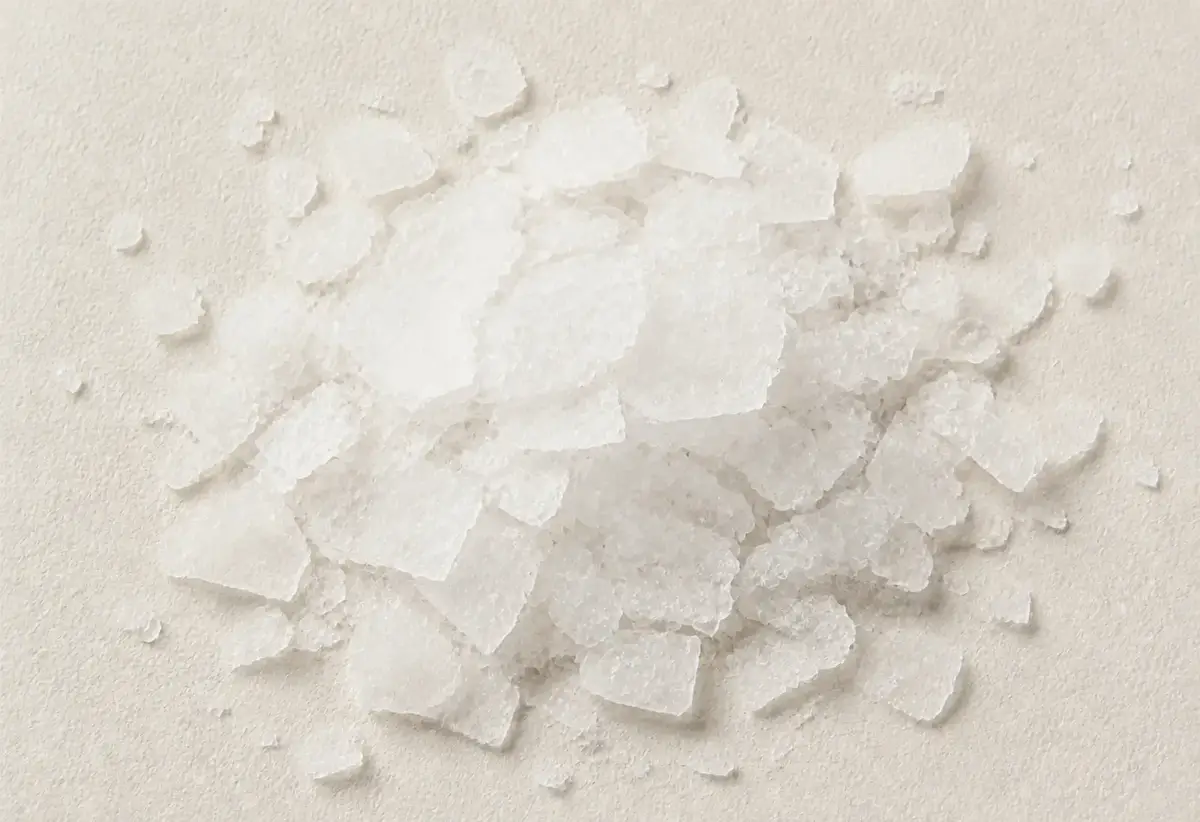
For the last pinch before the first bite. Thin crystals add texture to tomatoes, roast vegetables and steak, just before serving.
Discover sea salt flakes ↗A useful kitchen note: crystal shapes pack differently into a spoon. When comparing salts in a recipe, start with equal weights, then adjust to taste.
03 / At the table
The everyday
Fine salt belongs within the food: mixed into bread dough, stirred into a sauce or used to season vegetables before roasting.
Get to know grain sizes ↗The final touch
Break a few flakes between your fingers over ripe tomatoes, a warm potato or a steak straight from the grill.
Read about salting steak ↗The Argentine table
Salt has a place at the asado, from seasoning the meat to salmuera brushed on as it cooks. The method sets the rhythm.
Explore salt for an asado ↗Continue at Gaucho Provisions
Explore the salts at Gaucho Provisions: fine for cooking, flakes for finishing, and Chimichurri Salt for herbs, garlic and a touch of chile.
Explore the salt collection ↗Product details and current availability at Gaucho Provisions.
From the cold sea. Follow along.
Threads · @patagoniansalt ↗ — profile currently unavailable.
The Atlantic coast of Chubut, in Argentine Patagonia. This is a coastal salt story: steppe, low cliffs, tidal rock platforms and open sea.
Sea salt forms as water evaporates from seawater, leaving crystals behind. This describes the general principle; it does not specify a producer’s equipment, drying method or processing conditions.
It is a food-category name established in Argentina in 2024 for crystalline salt obtained by evaporating Argentine seawater. Category rules are separate from the testing or certification of an individual product.
Visual note: the coastline is an illustration. Crystal close-ups are illustrative imagery, rather than documentation of a particular batch.
Beyond Patagonia
Discover salt farms and saltworks around the world in Salina Sol’s public directory, with sourced profiles on the places, makers and methods behind the salt.
Explore the Salina Sol directory ↗